
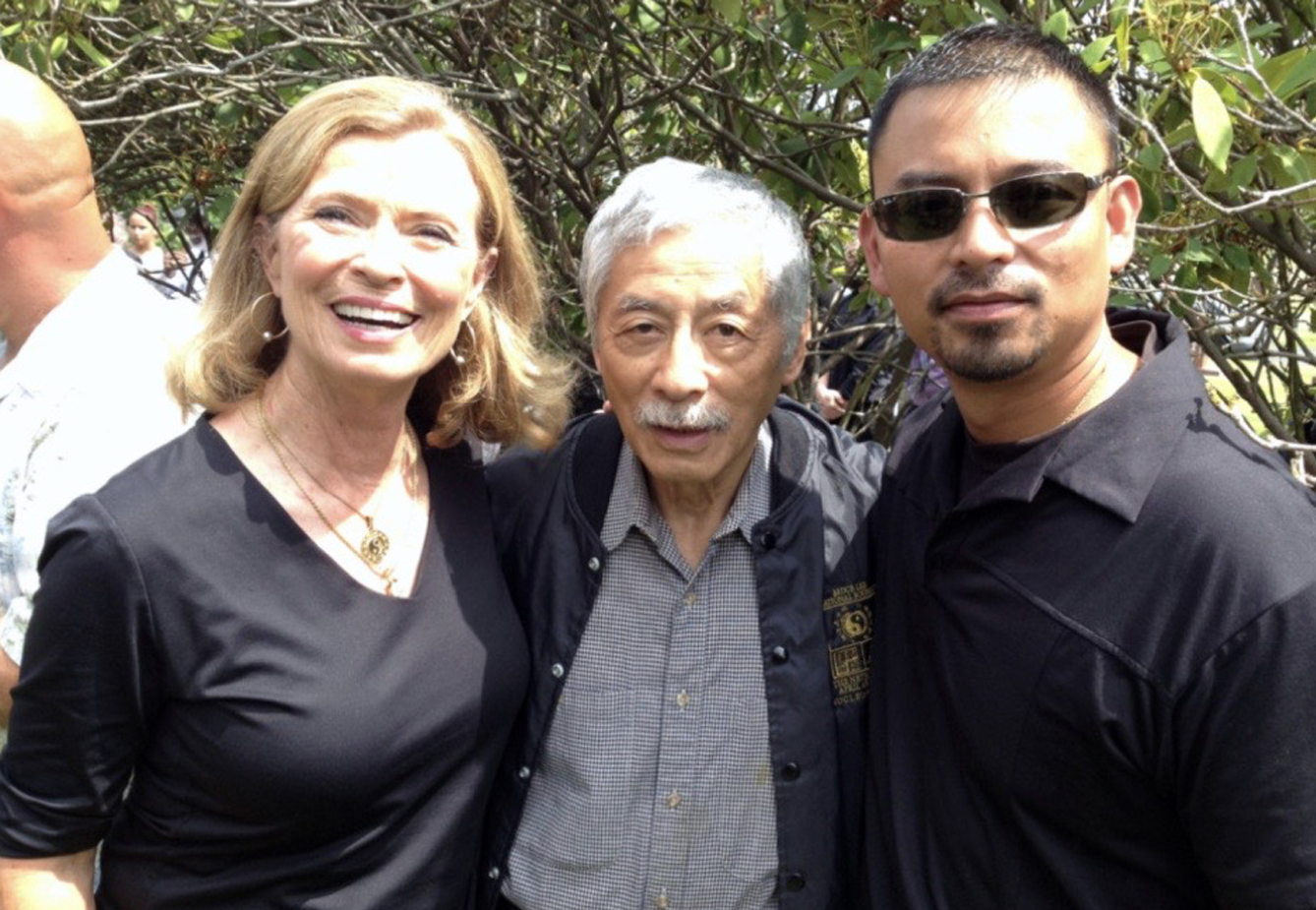
Abe Santos going back to the source
There’s no better source for the Totality of Jeet Kune Do than Bruce Lee’s best friend and highest-ranking student, Sifu Taky Kimura. In this interview with Taky’s protégé, Sifu Abe Santos, learn the true history of Jeet Kune Do.
What do you think is the biggest misconception about what you teach?
The main misconception is that the Jun Fan Kung Fu we teach is only what Sijo Bruce Lee taught when he lived in Seattle. We do indeed teach the Seattle-era of Jun Fan Kung Fu. However, we also learned, and still teach, what Sijo created after he left Seattle. We teach what was taught to us by Sifu Taky Kimura, which was passed down from Bruce Lee himself.
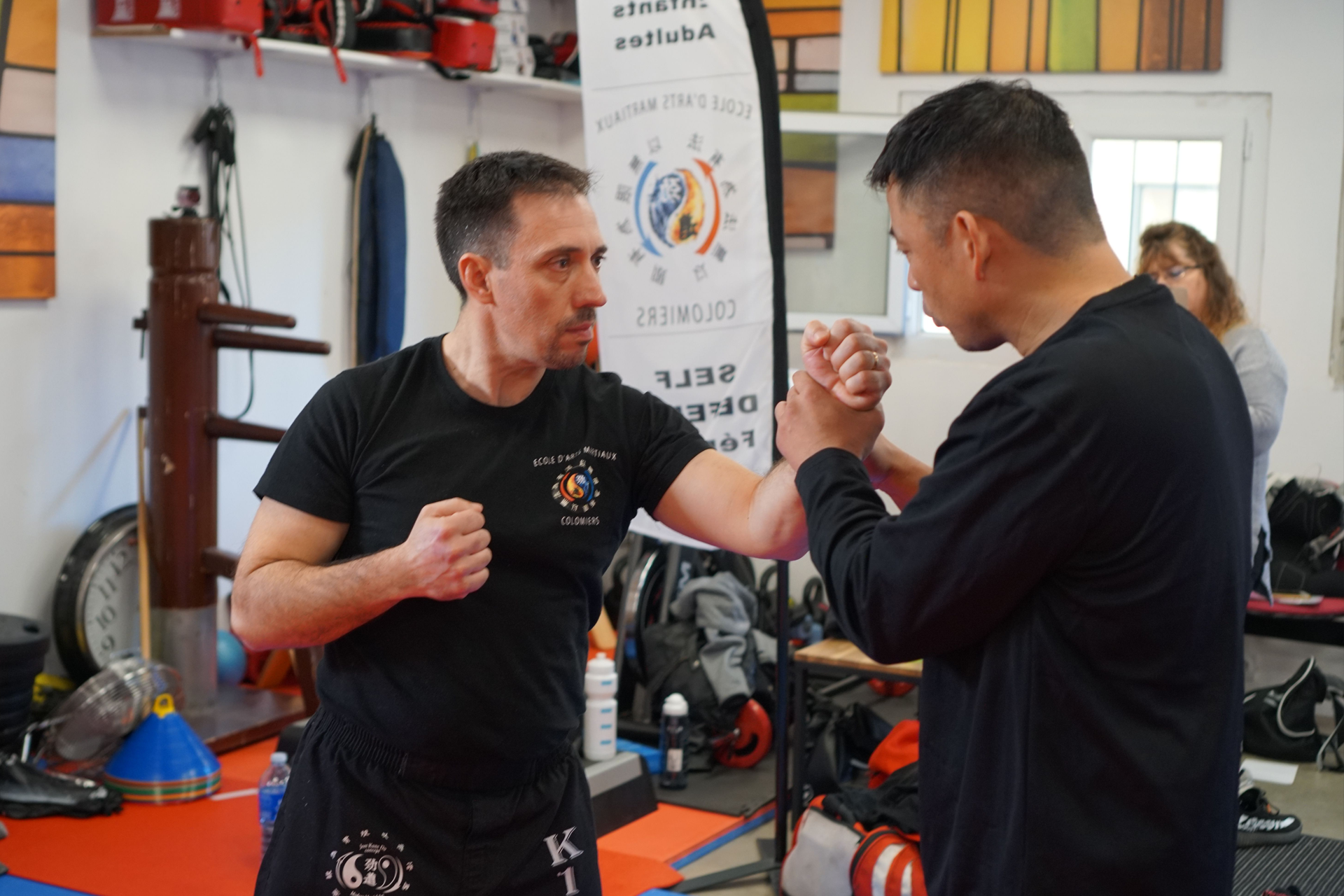 So, Sifu Taky learned more than just the Seattle-era curriculum?
Yes. Because Linda’s mom still lived in Seattle, the Lee family would return to Seattle at least twice a year. At this time, Bruce would show and teach him these changes in person.
Sifu Taky always told me that Bruce never held anything back from him, and he understood the totality of the art and where Sijo Bruce wanted to take it. People don’t realize that Bruce wrote more letters to Sifu Taky than any other person ever. He also called him frequently to keep him up to date on what he was doing concerning his art. The modifications after the Wong Jack Man fight in Oakland, and from the Los Angeles era, dealing with larger opponents such as Kareem Abdul Jabbar and Bob Bremer—Sijo Bruce shared it all with Sifu Taky.
Sifu Taky told me Bruce never held anything back from him and trusted him completely. After Bruce left Seattle, and Sifu Taky ran the school, he always sent the school dues to Bruce wherever he was. Even to this day, Sifu Taky has always remained loyal to Bruce. He taught all these years for free out of his friendship and love for Sijo Bruce!
How did this misconception start?
In the 1990s, when the Jun Fan Jeet Kune Do Nucleus was formed, consisting of Linda, Shannon, John Little and original students, and some second generation as well, it was to preserve the original art. There were several seminars by the Nucleus where some of the Seattle, Oakland and Los Angeles schools taught and performed demonstrations.
Sijo Bruce made modifications to his Wing Chun core as he experienced different types of opponents and problems.
But when the demonstrations were developed for these seminars, it was agreed that each respective branch would stick to what Bruce taught in that school so we wouldn’t all be teaching the same thing. So, when Seattle performed a demonstration and taught at the seminars, we only taught the Seattle-era material.
So, you do teach the later modifications?
Yes. Sifu Taky always talked about the totality of Bruce’s art because he learned the beginning and foundation in Seattle, the middle progression from Oakland, and the end in Los Angeles. Sijo Bruce taught Sifu Taky the full circle of his art, and that’s what we teach in Seattle.
If Bruce Lee had lived, where do you see his method going?
I have a copy of the original curriculum from all the schools. They aren’t too different from each other. There are certain things he emphasized more, depending on where he was and what he wanted to work on. He considered each student—their experience, skill level, body type, and how much time he had to work with them. And if he taught you privately, then he may have developed a personal plan tailored specifically for you. But the core and what he wanted to teach was the same for all three schools.
Sijo Bruce liked Fencing, Boxing, Wrestling, Judo and Savate, and added them to the core of Wing Chun but then simplified it. It all worked together in unison and focused on adapting to your opponent. That was his Jeet Kune Do—simple, direct and efficient. He may have taken from other styles but only what worked to supplement his core of Wing Chun.
If he were alive, I’d think he would have seen and studied other styles, although it’s hard to imagine as he already had so many books of every martial art you can think of, but in the end he would have simplified his art even further but kept the core the same!
What’s the common thread between Jeet Kune Do and Wing Chun?
Wing Chun remains the core and foundation of JKD. There are many techniques in Wing Chun that intercept your opponent’s strikes. Even the very name of JKD goes back to interception, which is found in Wing Chun.
Sijo Bruce made modifications to his Wing Chun core as he experienced different types of opponents and problems. For example, doing Chi Sao with Kareem Abdul Jabbar, who is over seven feet tall, was impossible, but this doesn’t mean Chi Sao is useless. People make a mistake there and think Bruce was saying the core didn’t work, but that wasn’t the case. The core was and is the simplicity of Wing Chun and the interception.
 Did Bruce certify Taky to teach Jun Fan Kung Fu?
Sijo Bruce had only three schools or branches: Seattle, Oakland and Los Angeles. In these schools he certified a student to be his assistant and run the school after he left. He certified each assistant instructor in Jun Fan Kung Fu and these men were Taky Kimura, James Lee and Dan Inosanto. Sifu Taky was given the highest rank of “5,” while the others were given a “3.” Sijo Bruce even told the others that Taky was always to be their senior in Jeet Kune Do, and he is to be respected as such. It was these three men that he felt closest to and trusted to take over his respective schools.
Sifu Taky was fortunate enough to learn the totality of Jun Fan Jeet Kune Do, as he always mentioned to me that Bruce Lee never held anything back from him and taught him the full circle of his art. He didn’t care what others were doing to Jun Fan Jeet Kune Do but knew where Bruce wanted to carry on and go with his art. This is what we did in Seattle, so we were in a bubble as we ignored everything else happening outside of Seattle.
The core was and is the simplicity of Wing Chun and the interception.
I’ve always told him that he’s like the wise old Grandmaster living on a mountain who never came down, but when he did and spoke, everyone listened. There was a time that Sifu Taky could talk for hours and hours about martial arts, Bruce Lee and Jun Fan Jeet Kune Do. Unfortunately, he’s now 95 years old and facing what you would expect with someone that age regarding his memory. But it’s up to the new generation to learn the original art correctly, so they can perpetuate it with the highest integrity and respect to Bruce Lee and Linda Lee.
Your new school received an endorsement from Linda Lee Cadwell. Can you tell us about that?
Linda has known Sifu Taky for a very long time and has always had faith and trusted him through the years to preserve her late husband’s art and philosophy of Jun Fan Jeet Kune Do. Although I’ve not known Linda for as long as Sifu Taky, I have known her for a very long time, and I’m honoured that she has this same trust and faith in me to promote and perpetuate the art. In 2017, after 35 years with the Jun Fan Gung Fu Institute, we left and started the Jun Fan Gung Fu Academy to perpetuate and preserve the original art of Bruce Lee with the highest integrity and respect. Besides having the blessing of Sifu Taky Kimura, we’re honoured to also have the written endorsement of Linda as well—the first time she has ever endorsed a Jun Fan Jeet Kune Do school!
By Jason Korol – Photos Kevin Manalo
Share this article
Follow us
Related Posts
STAY IN THE LOOP
Subscribe to our free newsletter.
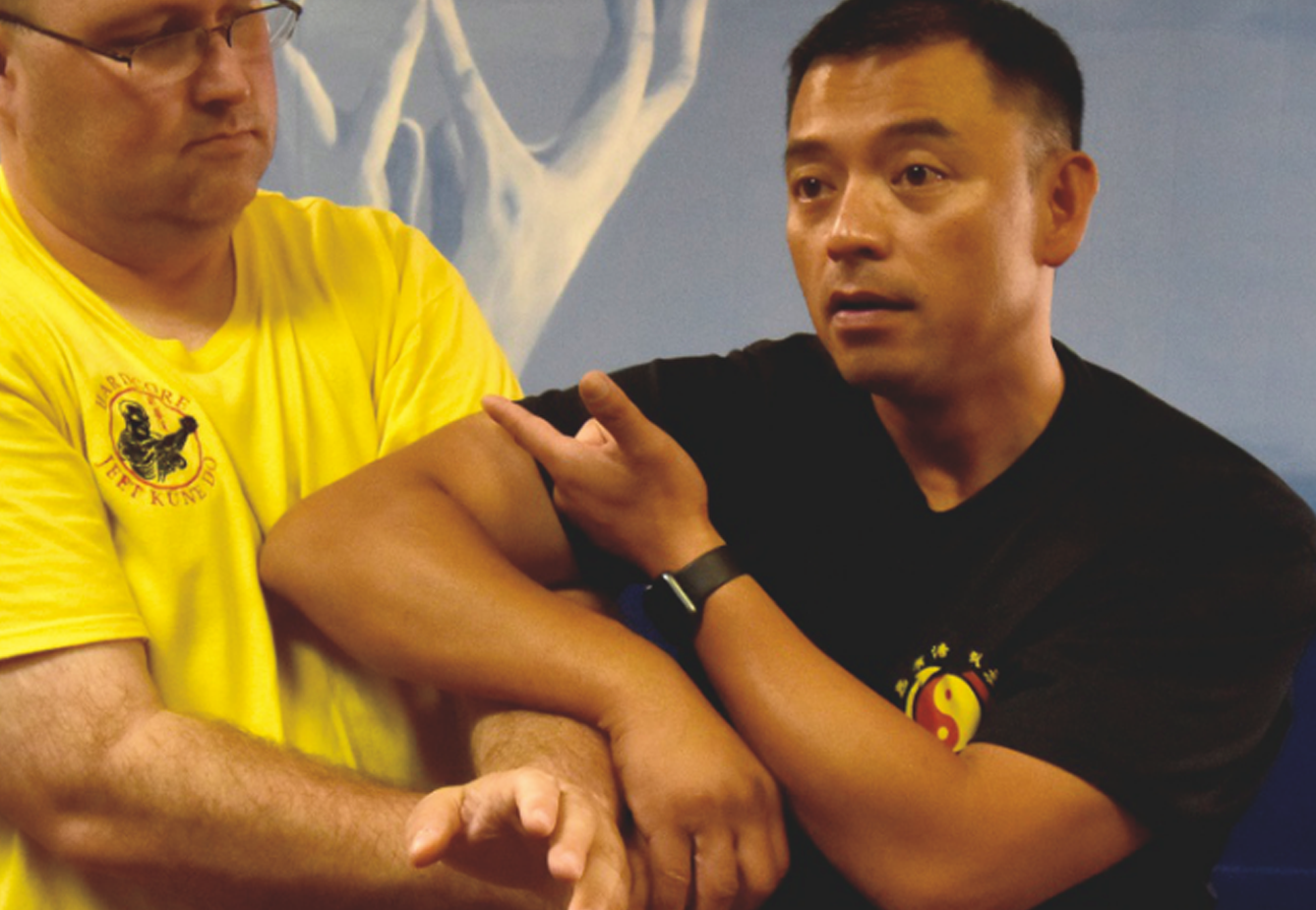
What is trapping? Trapping is to hold, “something tightly, usually a body part so it cannot move or be freed.” Now, what is Trapping with Feeling? And how is trapping with feeling different from just trapping? Before we can answer that, we need to know what trapping is from the perspective of Jun Fan Jeet
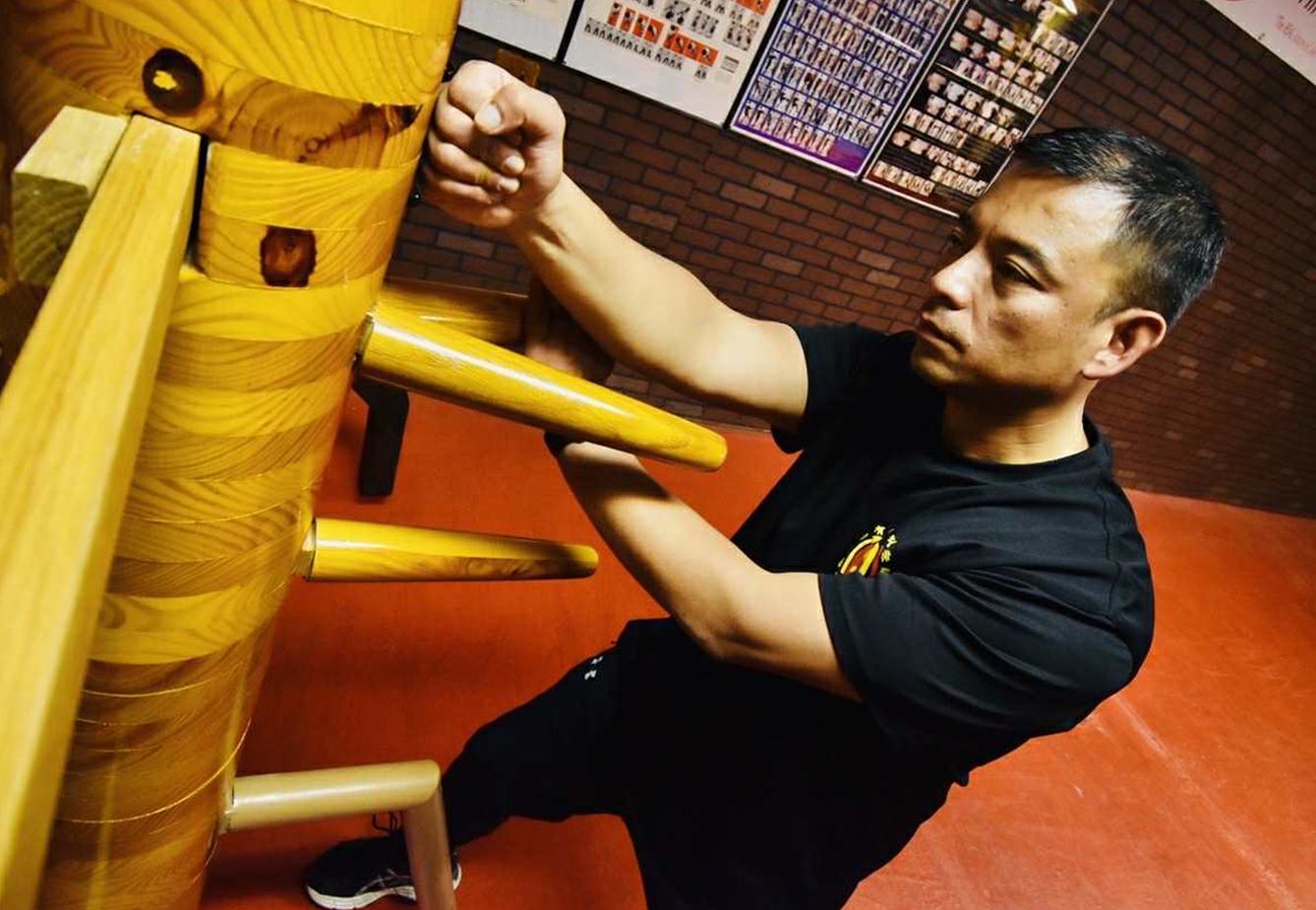
Through the years I have heard the term … Jun Fan Jeet Kune Do. In this article, we will discuss my view of the literal meaning of Jun Fan Jeet Kune Do, its creation and evolution, the difference between Jeet Kune Do and Jun Fan Gung Fu, and the true meaning of Jun Fan Jeet
Today we’d like to introduce you to Abe Santos. Thanks for sharing your story with us Abe. So, let’s start at the beginning and we can move on from there. I am a senior instructor at the Jun Fan Gung Fu Institute of Seattle. I have been a student and friend of Sifu Taky Kimura